
What Happened
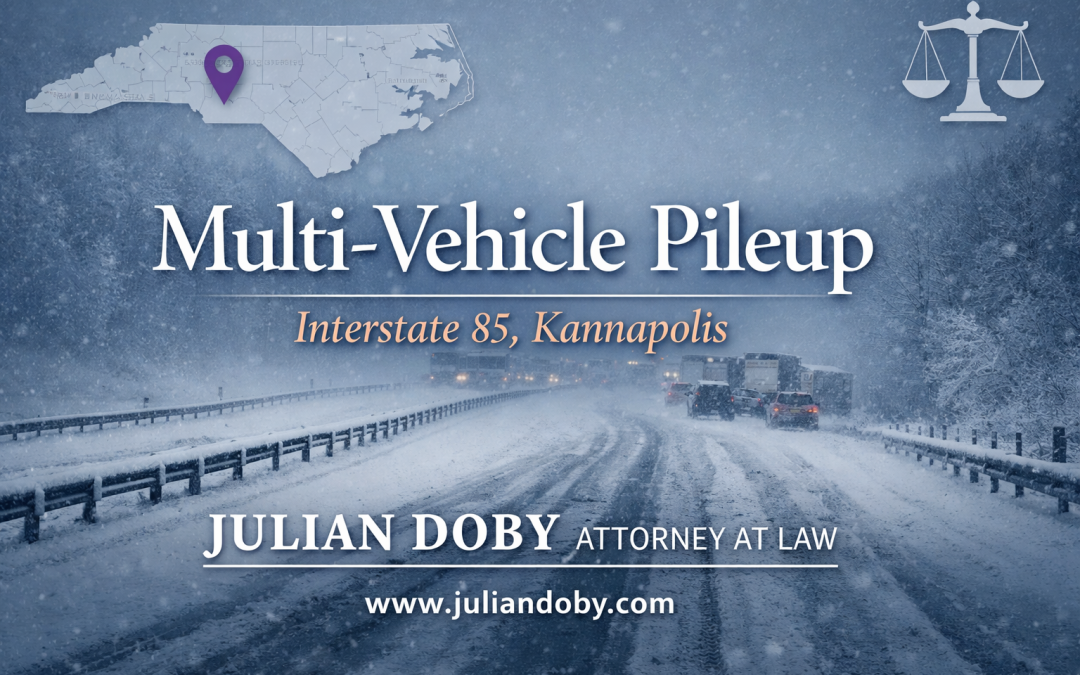
On January 31, 2026, over 100 vehicles became trapped on Interstate 85 North in Kannapolis, North Carolina during a major winter storm. According to KARE 11’s report, what started as a minor collision quickly escalated into a massive traffic incident.
Here’s how it unfolded:
A series of collisions and stalled vehicles, starting with an initial minor crash, combined with ice and limited open lanes to strand more than 100 vehicles on I-85 North. With only one or two lanes traversable, dozens of tractor-trailers trying to navigate around the incidents couldn’t regain enough momentum on the icy roads to continue moving. Over 30 tractor-trailers and more than 70 cars became trapped on the highway.
The North Carolina National Guard deployed two All-Hazard Response Teams with approximately six vehicles and 12 personnel to assist in clearing the roads. Authorities expected the situation to take hours to resolve. Drivers were advised to avoid the area near exits 60 through 63, including Lane Street (exit 63).
This incident was part of a larger weather emergency across North Carolina. The State Highway Patrol responded to 817 calls for service and 750 collisions statewide between midnight and 6 p.m. that Saturday.
The Legal Question Everyone Gets Wrong
Here’s what people keep saying: “It’s just the weather. Nobody’s fault.”
That’s not how North Carolina law works.
Yes, weather was a major factor. But the incident began with a collision, and investigators will be looking closely at whether any driver negligence contributed to that first crash and the subsequent pileup.
Weather made it worse. Weather turned what started as a minor incident into a massive traffic backup involving 100+ vehicles. But the initial collision likely involved driver decision-making, and determining whether any driver failed to use reasonable care given the weather and road conditions is exactly what investigators focus on.
Understanding Liability in Winter Weather Accidents
North Carolina law requires drivers to operate their vehicles safely given the road conditions. When roads are icy and covered in snow, “safe driving” means:
- Reducing speed appropriately for conditions
- Increasing following distance significantly
- Being extra cautious around curves and hills
- Adjusting driving behavior to match visibility and traction
If a driver fails to adjust for dangerous conditions and causes a collision, they can be held liable even though weather was a contributing factor. Bad weather is not automatically a legal defense to negligence.
The Domino Effect of Multi-Vehicle Pileups
Think about what happened in Kannapolis:
- Initial collision occurs
- Traffic slows or stops to navigate around it
- With limited open lanes and icy conditions, trucks can’t regain speed
- More vehicles arrive and encounter stopped or slow-moving traffic
- Additional collisions occur as vehicles can’t stop or maneuver
- Highway becomes completely blocked
- National Guard gets called to assist
The drivers who got trapped later in the sequence? Many of them probably couldn’t avoid it. They came upon a wall of stopped or slow-moving trucks with nowhere to go.
But investigators will be examining the initial collision and subsequent contributing factors to determine if any drivers failed to exercise reasonable care for the conditions.
North Carolina’s Contributory Negligence Rule
Here’s what makes these cases even more complex in North Carolina: contributory negligence.
If you’re even 1% at fault for an accident, you can’t recover damages from other drivers. This rule makes winter weather accidents particularly challenging because insurance companies will argue that anyone driving in those conditions assumed some risk or failed to adjust adequately.
But that doesn’t mean weather eliminates liability. It means the investigation into what caused the initial collision and whether drivers were operating reasonably for the conditions becomes critical.
What to Do If You Were Involved
If you were stuck in the I-85 pileup or any winter weather accident:
Document everything immediately. Take photos of your vehicle, the scene, road conditions, and any visible injuries. Get contact information from other drivers and witnesses. Write down what you saw and what happened while it’s fresh in your memory.
Seek medical attention. Even if you feel fine. Adrenaline and stress can mask injuries. You might have been rear-ended or hit from the side without realizing the impact. Cold weather can also hide symptoms that appear later.
Report the accident properly. Make sure law enforcement documents your involvement. Get a copy of the accident report when it becomes available.
Don’t give recorded statements to insurance companies. They will use your words against you, especially in winter weather cases where they want to blame the conditions rather than their insured driver.
Preserve evidence. Keep all medical records, repair estimates, towing receipts, and any other documentation related to the accident.
Contact an attorney before accepting any settlement. Insurance companies often make quick lowball offers, especially in weather-related accidents where they claim reduced liability.
The Investigation Continues
The Highway Patrol isn’t writing this off as just a weather event. They’re investigating:
- What caused the initial collision
- Whether speed was a factor for conditions
- Whether drivers had adequate time to react
- The sequence of how vehicles became involved
- Whether any drivers failed to use reasonable care given the weather
Some drivers in this pileup had no chance to avoid it. Others may have been driving too fast for conditions or following too closely. The difference matters legally.
Questions About Your Case?
If you were involved in the Kannapolis pileup or any winter weather accident in North Carolina, don’t assume there’s nothing you can do because it was snowing.
Weather was a factor. But the investigation into whether any drivers failed to exercise reasonable care for those conditions is ongoing. And determining liability in multi-vehicle pileups requires thorough investigation.
Contact our office for a free consultation about your specific situation. We can review the facts of your case and help you understand your options.
DISCLAIMER: This article discusses a recent traffic incident for informational purposes only. Nothing in this article should be construed as legal advice. Every accident case is unique and depends on specific facts and circumstances. If you were involved in this incident or a similar accident, contact a qualified personal injury attorney to discuss your particular situation. The outcome of any case depends on the specific facts involved and results may vary.