
Truck Accident Attorney
Serving Alamance, Orange, Chatham, and Caswell Counties
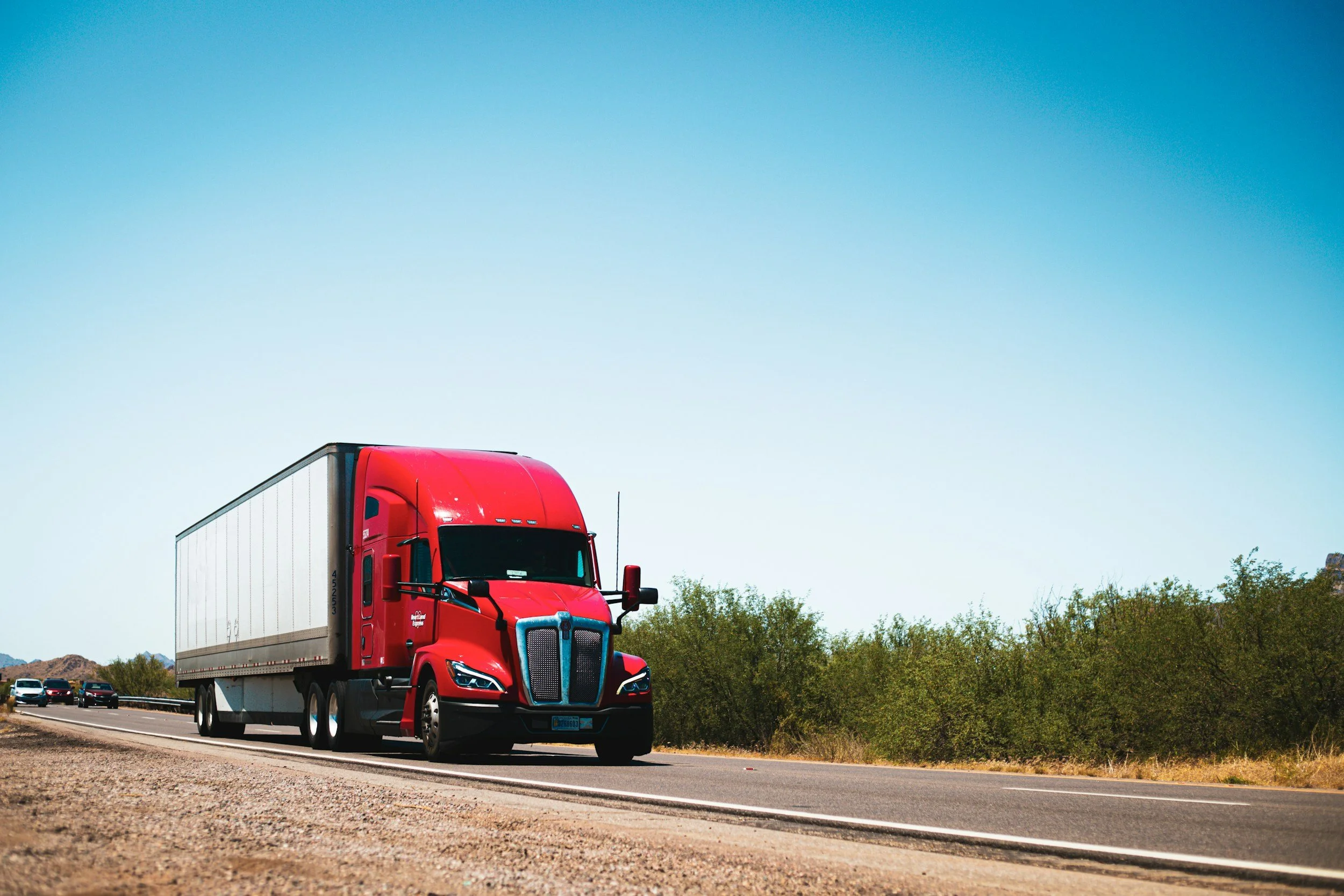
Trucks don't just cause accidents. They cause catastrophic ones.
A fully loaded commercial truck can weigh 80,000 pounds. When one hits a passenger vehicle, the results are almost never minor. Spinal injuries, traumatic brain injuries, broken bones, and wrongful death are common. The medical bills are bigger, the recovery is longer, and the legal fight is harder.
I've been handling truck accident cases in Alamance, Orange, Chatham, and Caswell Counties for 28 years. These cases are more complicated than car accidents, and the other side knows it. I know how to handle them.

Common Causes of Truck Accidents
The truck accident cases I see most often involve:
Driver fatigue from hours of service violations. Federal law limits how long a commercial driver can be behind the wheel without rest. When carriers push drivers past those limits, accidents happen.
Distracted driving, including GPS use, cell phone use, and other distractions inside the cab
Speeding or following too closely, especially on I-40, I-85, and US-64 through Alamance and Chatham Counties
Improper loading or shifting cargo that affects the truck's handling and braking
Brake failure and inadequate maintenance
Blind spot accidents when a truck changes lanes without seeing a passenger vehicle
Wide-turn accidents at intersections
Jackknife accidents, particularly in wet or icy conditions
Tire blowouts from under-maintained equipment
What You Can Recover
Because truck accident injuries tend to be more severe than car accident injuries, the damages in these cases are often significantly larger. North Carolina law allows you to recover:
All past and future medical expenses, including surgery, rehabilitation, and long-term care if your injuries are permanent
Lost wages and lost earning capacity if your injuries prevent you from returning to your previous work
Pain and suffering, including the physical and emotional impact of your injuries on your daily life
Property damage
Wrongful death damages if you lost a family member in a truck accident
I don't use a formula to value cases. I look at everything you've lost, everything you're going to lose, and I fight for all of it.
Why Truck Cases Are Different
Truck accident cases are not bigger versions of car accident cases. They are a different kind of case entirely, and if you treat them the same way you will leave money on the table or lose the case.
Here is what makes them different:
Multiple Parties Can Be Liable
In a car accident, you're usually dealing with one at-fault driver and one insurance company. In a truck accident, liability can extend to the trucking company, the cargo loading company, a leasing company that owns the trailer, a maintenance contractor who failed to keep the truck in safe condition, or the truck's manufacturer if an equipment failure contributed to the crash. I know how to sort through that and find every party with responsibility for your injuries.
Federal Regulations Apply
Commercial truck drivers and trucking companies are governed by Federal Motor Carrier Safety Administration regulations. Those rules cover hours of service, how many hours a driver can be behind the wheel before taking a mandatory rest, maintenance requirements, weight limits, drug and alcohol testing, and more. When a trucking company violates those regulations and someone gets hurt, that violation is evidence of negligence. I know those regulations and I know how to use them.
The Evidence Disappears Fast
Commercial trucks have electronic logging devices and black box data recorders that capture speed, braking, steering, and hours of service in the period before a crash. That data is critical evidence. Trucking companies are not required to preserve it indefinitely, and their lawyers know exactly how long they have to let it disappear. The sooner we get involved, the better chance we have of preserving the data that proves what happened.
The Insurance Is Different
Commercial trucking carriers are required to carry significantly higher insurance minimums than passenger vehicle drivers. That means there is more money available, which also means the insurance company has more reason to fight hard. They will have experienced adjusters and lawyers working your case before you even know what hit you. I've been negotiating with commercial carriers for decades. They don't intimidate me.
North Carolina's Contributory Negligence Law
North Carolina's contributory negligence rule is one of the harshest in the country. If you are found to be even 1% at fault for the accident, you can recover nothing.
Trucking companies and their insurers know this rule and they use it. One of their first moves after an accident is to build a case that you were partially at fault, even when you clearly weren't. They have investigators and lawyers on it immediately.
After 28 years of handling these cases in North Carolina, I know exactly what they're going to try. I know how to counter it and protect your right to full compensation.
What to Do After a Truck Accident
If you've been in a truck accident in Alamance, Orange, Chatham, or Caswell County, the steps you take in the first hours matter more than you might think:
Get medical attention immediately. Adrenaline masks pain. What feels minor at the scene often isn't. And gaps in medical treatment become ammunition for the insurance company.
Call the police. Make sure there is an accident report.
Get the truck's DOT number, the carrier name, and the driver's license and insurance information. Photograph everything you can: the truck, the trailer, the load, the cab, the license plate, the DOT placard.
Note the name of the trucking company on the side of the trailer and photograph it. This is critical for identifying who owns and operates the vehicle.
Get the names and contact information of any witnesses.
Do not speak with the trucking company's insurance adjuster. They will call you quickly. Do not give a recorded statement, do not accept any payment, and do not sign anything. Call me first.
Contact me as soon as possible. The black box data and electronic logging records can be requested immediately through legal channels. Every day that passes makes that harder.
North Carolina's statute of limitations for personal injury cases is three years from the date of the accident. But in truck accident cases, waiting hurts you in ways beyond just the legal deadline. Call me now.
Why People Call Me
I don't waste your time or mine. If you have a case, I'll tell you. If you don't, I'll tell you that too.
Truck accident cases are the ones where having an experienced attorney makes the biggest difference. The other side is organized, they move fast, and they have resources. I've been handling these cases in North Carolina for 28 years. I know the federal regulations. I know how to get the black box data. I know how to identify every party that shares liability. And I know how to deal with commercial carriers who are used to fighting hard.
Most cases settle. But if the trucking company and their insurer won't be reasonable, I'm not afraid to take them to trial.
Areas I Serve
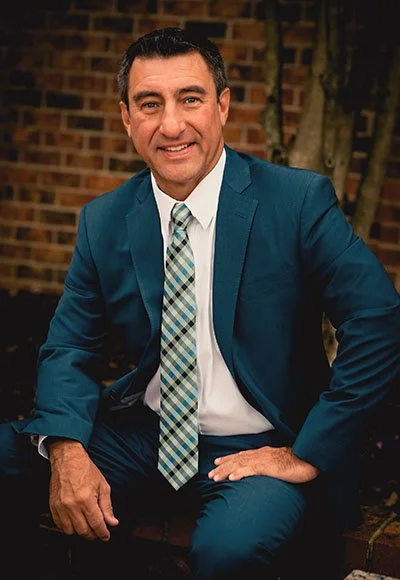
I handle truck accident cases throughout Alamance, Orange, Chatham, and Caswell Counties. The major truck corridors in this territory include I-40 and I-85 through Alamance County, US-70 through Burlington and Graham, and US-64 through Pittsboro and Chatham County.
I serve Burlington, Mebane, Elon, Haw River, Graham, Chapel Hill, Carrboro, Hillsborough, Pittsboro, Siler City, Yanceyville, and the surrounding communities from my office at 110 W. Elm Street in downtown Graham.

Call me at 336-221-8900.
In truck accident cases, time is not on your side. The trucking company's team is already working. Call me and I'll start working for you.
Legal Disclaimer: This page provides general information about motorcycle accident law in Alamance County. It is not legal advice. Reading this does not create an attorney-client relationship. Past results do not guarantee a similar outcome in your case.